
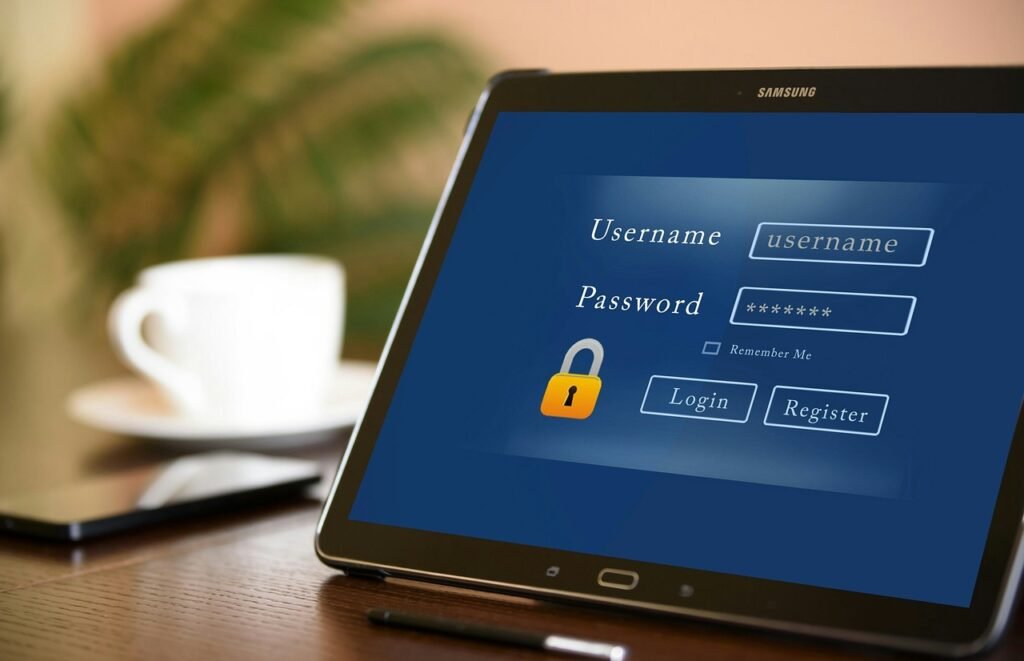
In today’s digital landscape, robust cybersecurity services are paramount for protecting an organization’s most valuable assets: its data and operational continuity. These services encompass a range of proactive and reactive measures designed to safeguard computer systems, networks, and data from cyber threats, ensuring business resilience and maintaining customer trust.
As cyber threats evolve in sophistication and frequency, businesses, regardless of size, face increasing risks that can disrupt operations, compromise sensitive information, and incur significant financial and reputational damage. Comprehensive cybersecurity strategies, often delivered through specialized services, are no longer optional but a fundamental requirement for secure and sustainable business operations.
Why Are Cybersecurity Services Indispensable Today?
Cybersecurity services are indispensable because they provide the layered defense necessary to counter the escalating volume and complexity of cyberattacks that threaten business continuity and data integrity.
The digital transformation of businesses, while offering numerous efficiencies, has simultaneously expanded the attack surface, creating more entry points for malicious actors. Data breaches can lead to substantial financial losses, regulatory fines, and irreparable damage to an organization’s reputation. Moreover, operational disruptions from ransomware or denial-of-service attacks can halt productivity, impact customer service, and directly affect revenue. Professional cybersecurity services offer specialized expertise and resources that many internal IT departments lack, enabling businesses to effectively identify, protect against, detect, respond to, and recover from cyber incidents.
What are the Primary Threats Businesses Face?
Businesses primarily face threats such as ransomware, phishing, malware, insider threats, and sophisticated advanced persistent threats (APTs).
- Ransomware: Malicious software that encrypts data, demanding payment for its release, severely disrupting operations.
- Phishing & Social Engineering: Attempts to trick individuals into revealing sensitive information or executing malicious actions, often through deceptive emails or websites.
- Malware: Broad term for malicious software designed to disrupt, damage, or gain unauthorized access to computer systems.
- Insider Threats: Security risks originating from within an organization, often from current or former employees, contractors, or business associates.
- Advanced Persistent Threats (APTs): Stealthy and continuous computer hacking processes, often targeting private organizations or states, requiring high levels of stealth.
What Types of Cybersecurity Services Do Businesses Need?
Businesses require a diverse array of cybersecurity services, ranging from proactive prevention and continuous monitoring to rapid incident response and comprehensive data protection.
These services typically fall into several key categories, each addressing a specific aspect of an organization’s security posture. Understanding these categories helps businesses identify gaps in their current defenses and select the most appropriate solutions. For instance, robust network security and endpoint protection are foundational, while regular security audits and compliance consulting ensure adherence to industry standards and regulations.
Key Categories of Cybersecurity Services:
Comprehensive cybersecurity services often include a blend of preventative, detective, responsive, and recovery solutions.
- Managed Security Services: Outsourcing the management and monitoring of security systems to a third-party provider, including firewall management, intrusion detection, and vulnerability management.
- Network Security: Protecting the network infrastructure from unauthorized access, misuse, malfunction, modification, destruction, or improper disclosure. This includes firewalls, VPNs, and intrusion prevention systems.
- Endpoint Protection: Securing individual devices like laptops, desktops, and mobile devices from malware and cyberattacks.
- Data Backup & Recovery: Implementing strategies and technologies to regularly back up critical data and restore it quickly after a breach, disaster, or system failure.
- Security Audits & Assessments: Regular evaluations of an organization’s security posture, identifying vulnerabilities, and assessing compliance with industry best practices and regulatory requirements.
- Incident Response & Disaster Recovery: Developing and implementing plans to effectively respond to and recover from cyberattacks and other disruptive events, minimizing downtime and data loss.
- Cloud Security: Protecting data, applications, and infrastructure involved in cloud computing, including secure configuration, access control, and threat detection in cloud environments.
- Employee Training & Awareness: Educating staff about cybersecurity best practices, common threats, and their role in maintaining organizational security.
How Do Businesses Choose the Right Cybersecurity Partner?
Choosing the right cybersecurity partner involves evaluating their expertise, range of services, proactive approach, and ability to align with specific business needs and industry compliance.
A reputable cybersecurity services provider should demonstrate a deep understanding of the evolving threat landscape and possess certifications relevant to IT security. They should offer a holistic suite of services, from proactive monitoring and threat detection to robust data backup and IT help desk support, ensuring all aspects of a business’s digital infrastructure are protected. Furthermore, a partner that emphasizes a proactive monitoring approach and offers integrated solutions, such as those combining voice & data or workflow automation, can significantly enhance overall operational efficiency and security. Businesses in areas like Gainesville, GA, benefit from local partners who can provide personalized computer consulting and rapid response.
What Qualities Define a Trusted Cybersecurity Provider?
A trusted cybersecurity provider is characterized by deep technical expertise, a comprehensive service portfolio, a proactive approach to threat management, and a strong commitment to client success.
Look for providers who emphasize continuous learning and adaptation to new cyber threats, offer transparent communication, and prioritize client education. They should be able to tailor solutions to your specific industry and business size, rather than offering one-size-fits-all packages. A partner like Vertascale, for example, combines expert computer consulting with specialized network security, proactive monitoring, and low voltage & physical security solutions, delivering comprehensive protection and operational efficiency. Their commitment to scaling technology to new heights for businesses underscores a forward-thinking and supportive partnership.
What are the Benefits of Investing in Professional Cybersecurity Services?
Investing in professional cybersecurity services yields significant benefits, including enhanced data protection, reduced risk of breaches, ensured business continuity, and compliance with industry regulations, ultimately fostering greater trust and stability.
These services mitigate the financial and reputational damages associated with cyber incidents. By offloading complex security management to experts, businesses can focus on their core competencies, knowing their digital assets are secure. Proactive monitoring and timely incident response minimize downtime, while robust data backup and recovery solutions ensure business continuity even in the face of severe attacks. Furthermore, adherence to security best practices and compliance frameworks helps avoid costly penalties and builds confidence among customers and partners. Ultimately, professional cybersecurity services provide peace of mind in an increasingly perilous digital world.
In an era where digital threats are a constant, engaging expert cybersecurity services is not merely a defensive strategy but a foundational element of sound business management. By partnering with a knowledgeable and proactive provider, businesses can secure their future, protect their assets, and maintain uninterrupted operations. Evaluate your needs, understand the comprehensive solutions available, and invest in the specialized expertise that will safeguard your organization against the ever-evolving landscape of cyber risks. Securing your digital infrastructure today is an investment in tomorrow’s success.
Frequently Asked Questions
What are cybersecurity services?
Cybersecurity services are professional solutions designed to protect an organization’s information systems, networks, programs, and data from digital attacks. They encompass a range of measures including threat prevention, detection, response, and recovery to ensure data confidentiality, integrity, and availability.
Why are cybersecurity services important for small and medium-sized businesses (SMBs)?
Cybersecurity services are crucial for SMBs because they often lack the internal resources or expertise to combat sophisticated cyber threats effectively. These services provide essential protection against data breaches, ransomware, and other attacks, safeguarding sensitive data, maintaining operational continuity, and helping meet compliance requirements, all of which are vital for SMB survival and growth.
What is the difference between proactive and reactive cybersecurity services?
Proactive cybersecurity services focus on preventing attacks before they happen, through measures like vulnerability assessments, penetration testing, and continuous monitoring. Reactive services, on the other hand, deal with incidents after they occur, involving rapid incident response, forensic analysis, and data recovery to mitigate damage and restore normal operations.
How can cybersecurity services protect against ransomware?
Cybersecurity services protect against ransomware through multi-layered strategies including advanced endpoint protection, email filtering, regular security awareness training for employees, and robust data backup and recovery solutions. These measures work in concert to prevent ransomware infection, detect early signs of attack, and ensure data can be restored if an infection occurs.
What should I look for in a cybersecurity service provider?
When choosing a cybersecurity service provider, look for comprehensive expertise in various security domains, a proactive approach to threat management, and a strong track record. The provider should offer tailored solutions, emphasize continuous monitoring, provide clear communication, and be able to support specific industry compliance needs.
Do cybersecurity services include employee training?
Yes, many comprehensive cybersecurity service packages include employee training and awareness programs. Educating staff on common cyber threats like phishing, proper password hygiene, and data handling best practices is a critical component of a strong overall security posture, as human error is often a primary cause of security incidents.
How do cybersecurity services help with regulatory compliance?
Cybersecurity services assist with regulatory compliance by implementing security controls and frameworks that align with standards like HIPAA, GDPR, or PCI DSS. They can conduct security audits, provide documentation, and offer guidance on best practices, ensuring businesses meet necessary legal and industry-specific requirements, thus avoiding penalties and maintaining trust.